Het Concrete [The Concrete]
Ensemble
The Concrete brings together ‘optical’ and ‘kinetic’ works created in the late 1950s and early 1960s. The works are based on tangible materials and structures and relate to our physical and sensorial existence. But they differ from the more familiar abstract art of Late Modernism – not least the American Abstract Expressionist painters (Jackson Pollock, Barnett Newman, Cy Twombly and others), for whom abstraction is often a form of ‘representation’ of the unrepresentable. By contrast, the Concrete becomes a ‘tool’ for intervening in the real (material, social, political) world by exposing and thereby changing its materiality.
Some of the works in this ensemble are shown in Antwerp, while others are exhibited in Eindhoven.

Items
View all-

Fallen Astronaut
Paul Van Hoeydonck, Fallen Astronaut, 1971. Sculpture, aluminium, 8.5 x 3 x 1 cm.
-
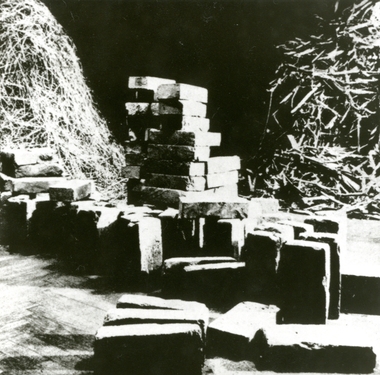
Hay, Cornhusks, Bricks
Tomaž Šalamun, Hay, Cornhusks, Bricks, 1969. Photography.
-
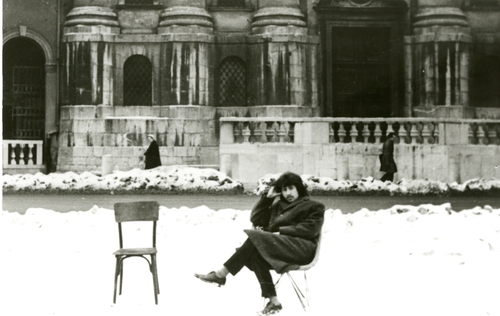
Cathedra, Cathedral, Pass...
OHO, Cathedra, Cathedral, Passers-By, 1968. Photography.
-

Rooktekening [Smoke drawi...
Henk Peeters, Rooktekening [Smoke drawing], 1961. Drawing.
Actors
View all-
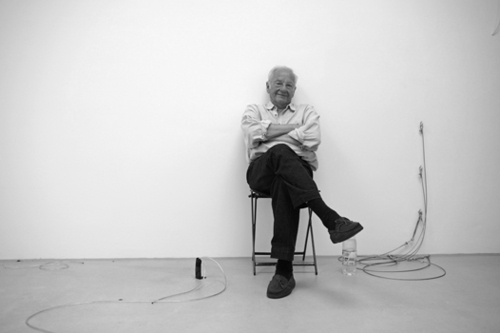
François Morellet
François Morellet (1926, France, lives in Paris) has chosen to follow a formal ‘objective grammar’ for his paintings, installations, and arch
-
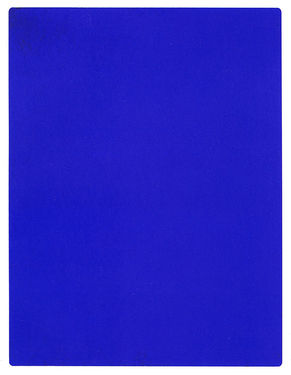
Yves Klein
The Yves Klein of 1959 already had an extreme reputation on the art scene. He had swept the table clear of arguments about form and color wit
-
OHO
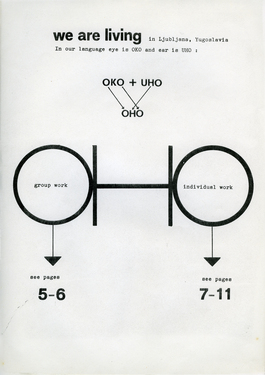
The OHO Movement (1965–1968) and the OHO Group (1969–1971) are important for the development of neo-avant-garde art in Slovenia. OHO involves
-
Tomaž Šalamun
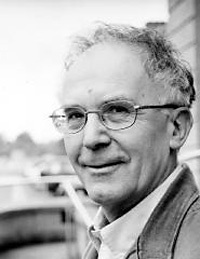
Tomaž Šalamun (1941, Slovenia, lives in Ljubljana) is considered the leading contemporary poet in Slovene, and he has been translated into m