Het Ondermijnde [The Subverted]
Ensemble
The concerns articulated in other sub-categories are rarely encountered in pure and unadulterated form. In the art of the 1960s and ‘70s there was constant traffic between lofty, maximalist and utopian ambitions (as can be witnessed in Concretism, Minimalism and Conceptualism) and a fascination (or even obsession) with political, social and economic reality ‘such as it was’ (a driving force behind Pop Art and politically-engaged art alike). Both these approaches, the inward-looking and the outward-looking, were used by artists to form distinctly personal, idiosyncratic agendas, which are almost by definition impure, subverted versions of the more dogmatic beliefs that fuel ‘movements’ in art.
Some of the works in this ensemble are shown in Antwerp, while others are exhibited in Eindhoven.

Items
View all-
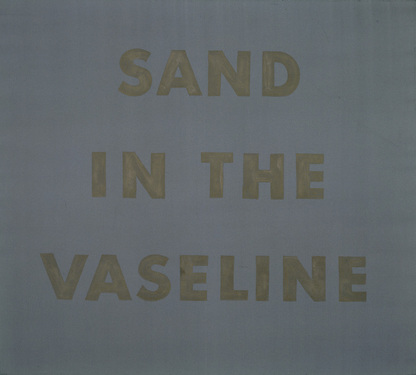
Sand in Vaseline
Ed Ruscha, Sand in Vaseline, 1974. Painting, egg yolk, satin, 91.5 x 101.5 x 1.7 cm.
-
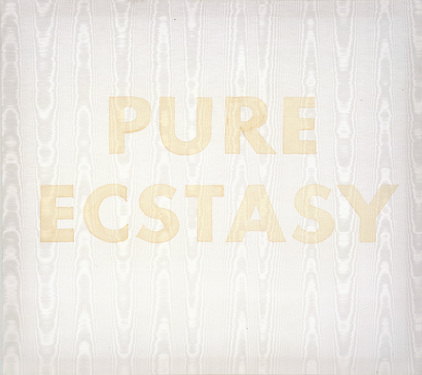
Pure Ecstasy
Ed Ruscha, Pure Ecstasy, 1974. Painting, tea, moiré silk, 91.4 x 101.6 x 2.2 cm.
-
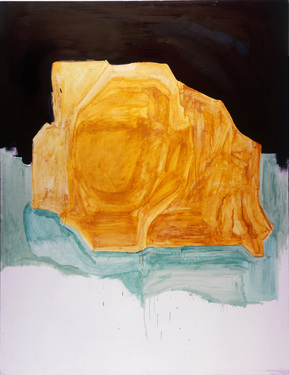
Goldklumpen
Sigmar Polke, Goldklumpen, 1982. Painting, gold pigment, schweinfurter green, arsenic, canvas, 261.5 x 202 cm.
-
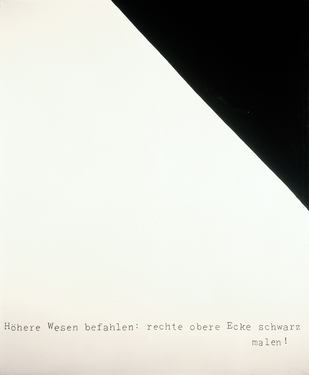
Höhere Wesen Befahlen: re...
Sigmar Polke, Höhere Wesen Befahlen: rechte obere Ecke schwartz malen!, 1969. Painting, synthetic paint, canvas, 151.3 x 126.1 cm.
Actors
View all-
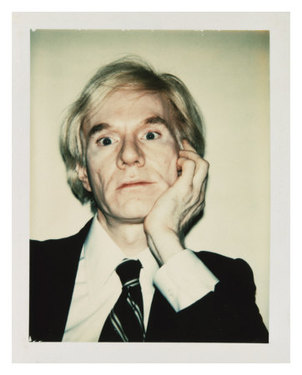
Andy Warhol
Andy Warhol (1928–1987, US) is one of the most famous artists of the 20th century. For him fame itself was an art form. Starting as a commerc
-
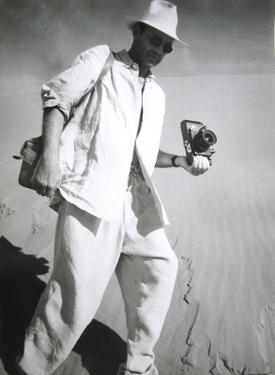
Anselm Kiefer
Anselm Kiefer (1945, Germany, lives in Paris) was a student of Joseph Beuys who became a painter and sculptor and occasionally makes large-sc
-
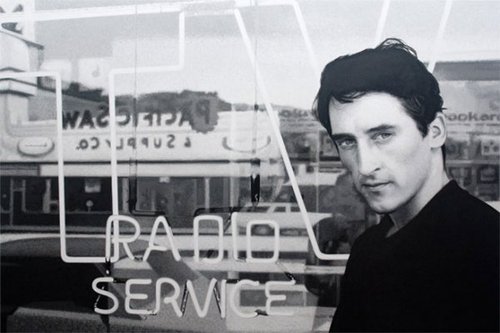
Ed Ruscha
Edward Ruscha (1937, US) is considered one of the leading painters of our times. He had a Catholic upbringing in Oklahoma and moved to Los An
-
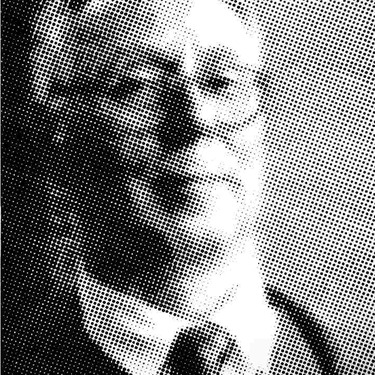
Sigmar Polke
German painter-photographer Sigmar Polke (b. 1941), who developed a varied graphic oeuvre since the 1960s, uses photos, clippings, slogans an