Het Transcendente [The Transcendental]
Ensemble
Cross-overs between various levels of reality – dream, vision, utopia – fascinated many artists during the 1960s and ’70s. Their work reveals an uneasiness with the self-assured and universalist position of what we choose to call ‘the Essential’. Instead the artists of the Transcendental – many of whom belonged to the arte povera (‘poor art’) movement in Italy – created works open to interpretation and doubt and critique. These artists address issues that are relevant to humanity as a whole, but they often did so through individual, subjective, even idiosyncratic gestures. Their ideological identification was anti-authoritarian and deliberately open-ended.
Some of the works in this ensemble are shown in Antwerp, while others are exhibited in Eindhoven.
Items
View all-

Untitled
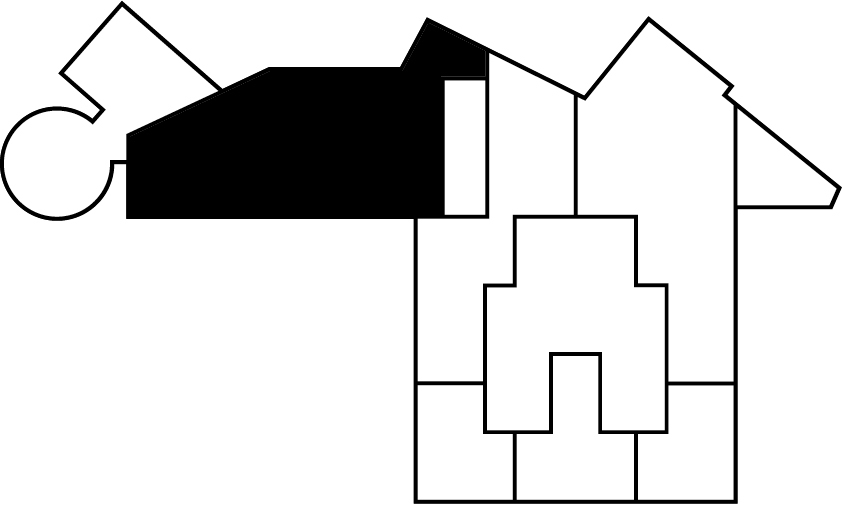
René Heyvaert, Untitled, 1976. Drawing, paper, 35,7 x 29,9 cm.
-
V71-69
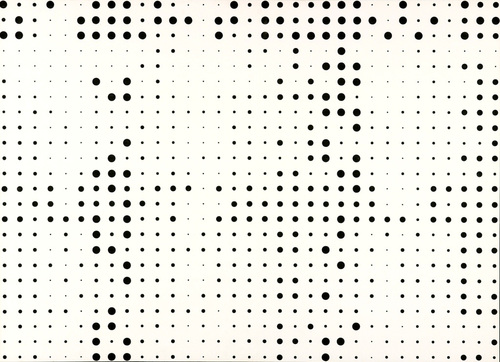
herman de vries, V71-69, 1971. Drawing, ink, paper, cardboard, 709 x 979 x 20 mm.
-
V71-70
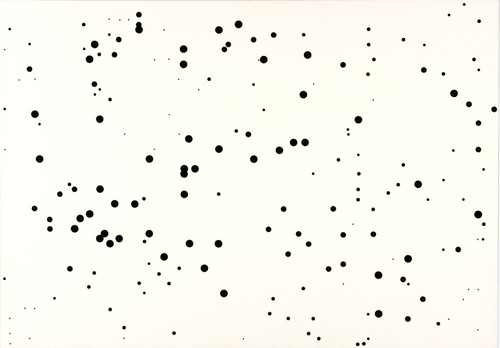
herman de vries, V71-70, 1971. Drawing, ink, paper, cardboard, 709 x 980 x 20 mm.
-
I Quattro moli [The Four ...
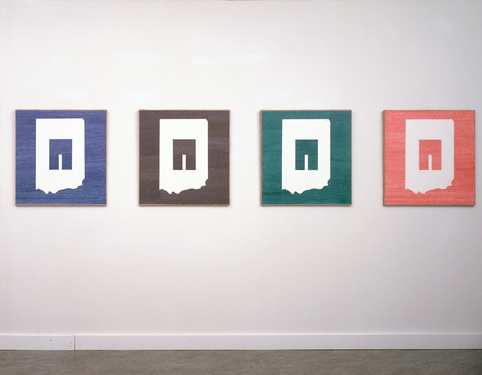
Alighiero Boetti, I Quattro moli [The Four Piers], 1982. Drawing, pencil, ink, paper, canvas, 4 x (75.2 x 71.6 x 2.7 cm).
Actors
View all-
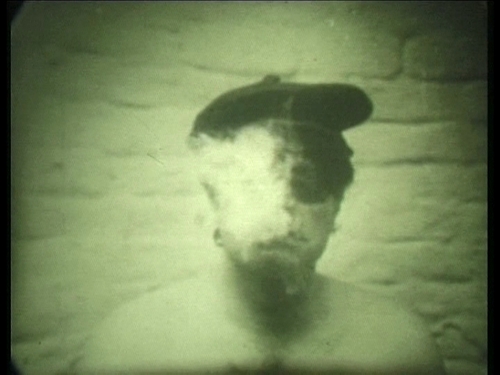
Marcel Broodthaers
Marcel Broodthaers (1924, Brussels – 1976, Cologne) is one of the most intriguing artists of the twentieth century. Since his death many have
-

Michelangelo Pistoletto
Michelangelo Pistoletto is associated with Arte Povera. In the 1960s, he defines a new kind of monumentality by combining rags and 'worthless
-

Guy Mees
Guy Mees (1935-2003) emerges as a painter in Antwerp in the late fifties, when post-war avant-garde art from the US was just beginning to fin
-
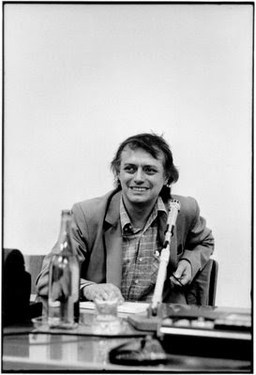
Luciano Fabro
Luciano Fabro (1936–2007, Italy) was a sculptor who ‘reasoned with his senses’ and one of the artists who defined arte povera (‘poor art’) in