Energie / Énergie / Energy / Energie
Ensemble
Joseph Beuys extensively used the term 'energy' in relation to his work. He often used materials such as fat and copper, one can associate with generating, storing and transmitting energy. This way, his sculptures were intended to function as batteries for personal, collective and ecological development. According to Beuys, man as a spiritual being, must be able to harness the energy of the spiritual and natural world, and that this energy can become real when it is transformed into democratic and social power, creativity and freedom.
“This energy is the point from which all human activity originates: every action, innovation, creation, development; usually, “energy” is seen in a materialistic context. In the broader context, the “energy problem” is conceived as a spiritual ability of man to create, to renew anything that is present in the environment as a given. The guiding power of humanity is the freedom to create. The energy problem thus relates to a spiritual aspect that is not considered in materialist discussions.”
From an interview with Joseph Beuys that appeared in the first issue of Ruimte Z (Space Z) recorded December 21, 1978, in the context of the 'Coyote' exhibition in the eponymous Ruimte Z in Antwerp.

Items
View all-
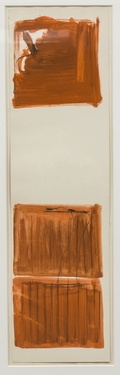
Batterien
Joseph Beuys, Batterien, 1959. Object, pencil and tempera pain on cardboard, laid on butter paper, 65 x 18.2 cm / 70 x 50.6 cm.
-

Batterie
Joseph Beuys, Batterie, 1963. Object, oil paint (brown cross) on corrugated cardboard, cord, leather, 27.5 x 11.3 x 6 cm.
-
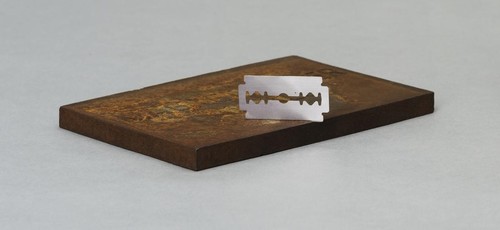
Magnetischer Abfall
Joseph Beuys, Magnetischer Abfall, 1975. Sculpture, steel, razor blade, 10.5 x 14.7 x 1 cm.
-

Gib mir Honig
Joseph Beuys, Gib mir Honig, 1979. Sculpture, mixed media, 10 x 9 x 9 cm.
Actors
View all