Joseph Beuys' Eurasia
Ensemble
Geografisch gezien verwijst de term Eurazië naar de landmassa die zowel Europa als Azië omvat. Binnen het oeuvre van Joseph Beuys krijgt Eurazië, ongetwijfeld geïnspireerd door het werk van Rudolf Steiner (1861–1925), als complex antropologisch en filosofisch concept een centrale plaats. Beuys problematiseerde de artificiële scheiding tussen ‘Oost’ en ‘West’. De kunstenaar wilde het verdeelde Europa verenigen en tegelijk de naar zijn aanvoelen Aziatische intuïtie en spiritualiteit verbinden met Europees realisme en rationaliteit. Eurazië is voor Beuys een open ruimte zonder fysieke of ideologische grenzen. De Euraziatische kunstenaar is niet meer op zichzelf gericht, maar op de mensheid en de cultuur. Eurazië was ook een manier van Beuys om weg te kijken van Amerika als dominante macht van moderniteit. Beuys kwam slechts een keer in Azië, tijdens zijn bezoek aan Japan in 1984.

Items
View all-
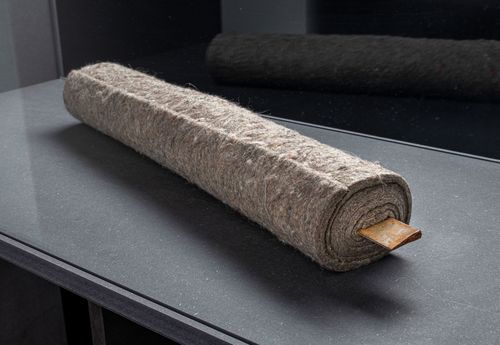
Samurai Schwert [Samurai ...
Joseph Beuys, Samurai Schwert [Samurai Sword], 1983. Multiple, multiple of felt and steel, 9 x 54 cm.
-
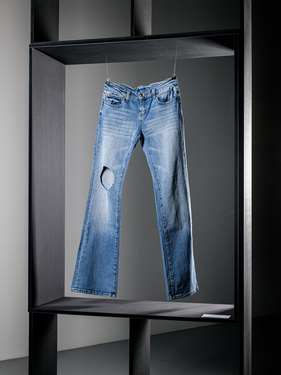
The Orwell Leg – Trousers...
Joseph Beuys, The Orwell Leg – Trousers for the 21st Century. Multiple, multiple of denim jeans with holes cut in the knees.
-
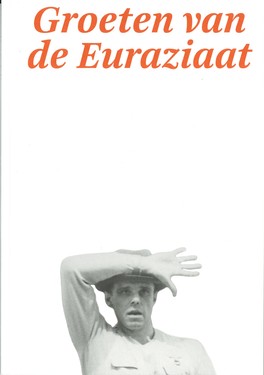
Joseph Beuys - Groeten va...
Joseph Beuys, Joseph Beuys - Groeten van de Euraziaat, 2017. Book, ink, paper, 28.6 x 20 cm, 47 p., language : Dutch, publisher : Museum van Hedendaagse Kunst Antwerpen/Koenig Books London, ISBN : 978-3-96098-265-4.
-
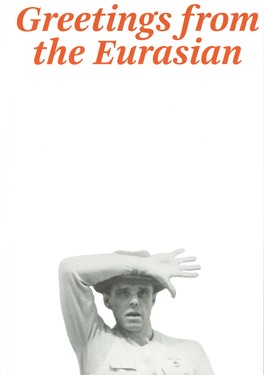
Joseph Beuys - Greetings ...
Joseph Beuys, Joseph Beuys - Greetings from the Eurasian, 2017. Book, ink, paper, 28.6 x 20 cm, 141 p., language : English, publisher : Museum van Hedendaagse Kunst Antwerpen/Koenig Books London, ISBN : 978-3-96098-264-7.
Actors
View all