Het Essentiële [The Essential]
Ensemble
The works selected for this category are clear and strong, both in their idea and their form. They are ‘essential’ because they refuse to compromise their self-evidence, their presence as man-made objects in built space. They are sure of their value. ‘This is it; this is Art’, seems to be their statement. The power of this statement is linked to the context where they were made, the US of the 1960s. The global dominance of the movements to which these works belong – Minimal Art, Conceptual Art – reflects the power of the Western world’s dominant nation.
Some of the works in this ensemble are shown in Antwerp, while others are exhibited in Eindhoven.
Items
View all-
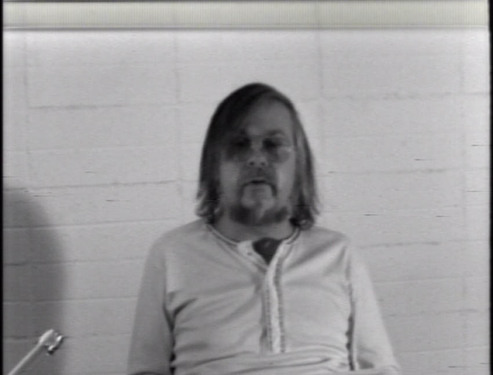
Baldessari Sings LeWitt
John Baldessari, Baldessari Sings LeWitt, 1972. Video, 00:15:00.
-
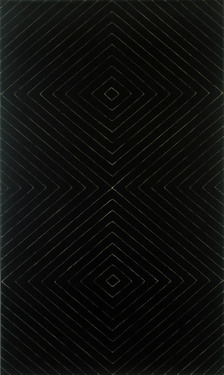
Tuxedo Junction
Frank Stella, Tuxedo Junction, 1960. Painting, synthetic paint, canvas, 311.9 x 187 cm.
-
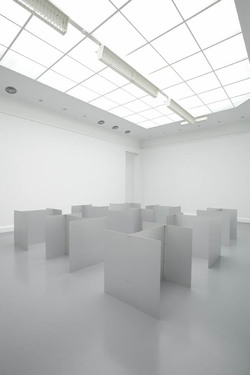
9 H-Shapes
Robert Morris, 9 H-Shapes, 1968. Sculpture, aluminium, 9 x (91.5 x 91.5 x 91.5 cm).
-
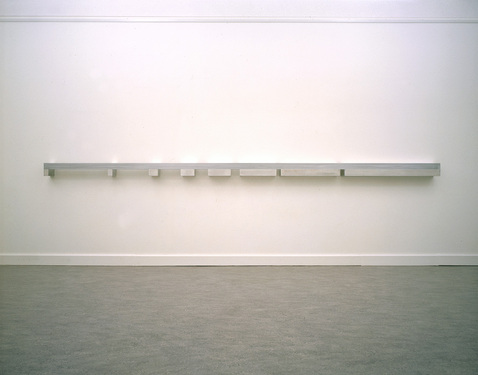
Untitled (Progression)
Donald Judd, Untitled (Progression), 1969. Sculpture, aluminium, 20 x 647 x 21 cm.
Actors
View all-
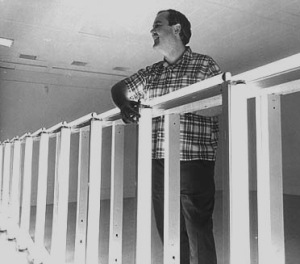
Dan Flavin
Dan Flavin is a fundamental figure of Minimal Art, famous for constellations of standard-issue neon lamps, usually Untitled (but dedicated in
-
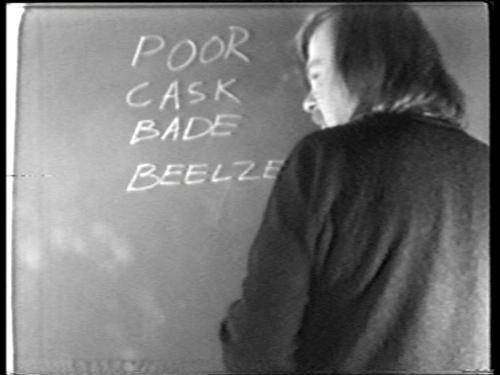
John Baldessari
[John Baldessari](http://www.baldessari.org/) (1931, US, lives in Los Angeles) seeks to reconcile his city’s surf-and-sex aesthetic with New
-
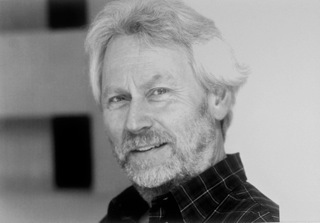
Donald Judd
Donald Judd (1928–1994, US) studies painting and philosophy and makes a great impact on post-war art as a sculptor, printmaker and critic as
-
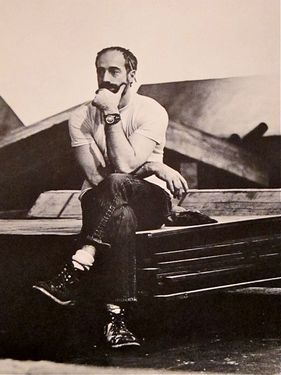
Robert Morris
Robert Morris (1931, US, lives in New York) starts as a painter with a strong interest in dance and improvisational theatre. The performative